
Meet Colorize Music Producer TRE
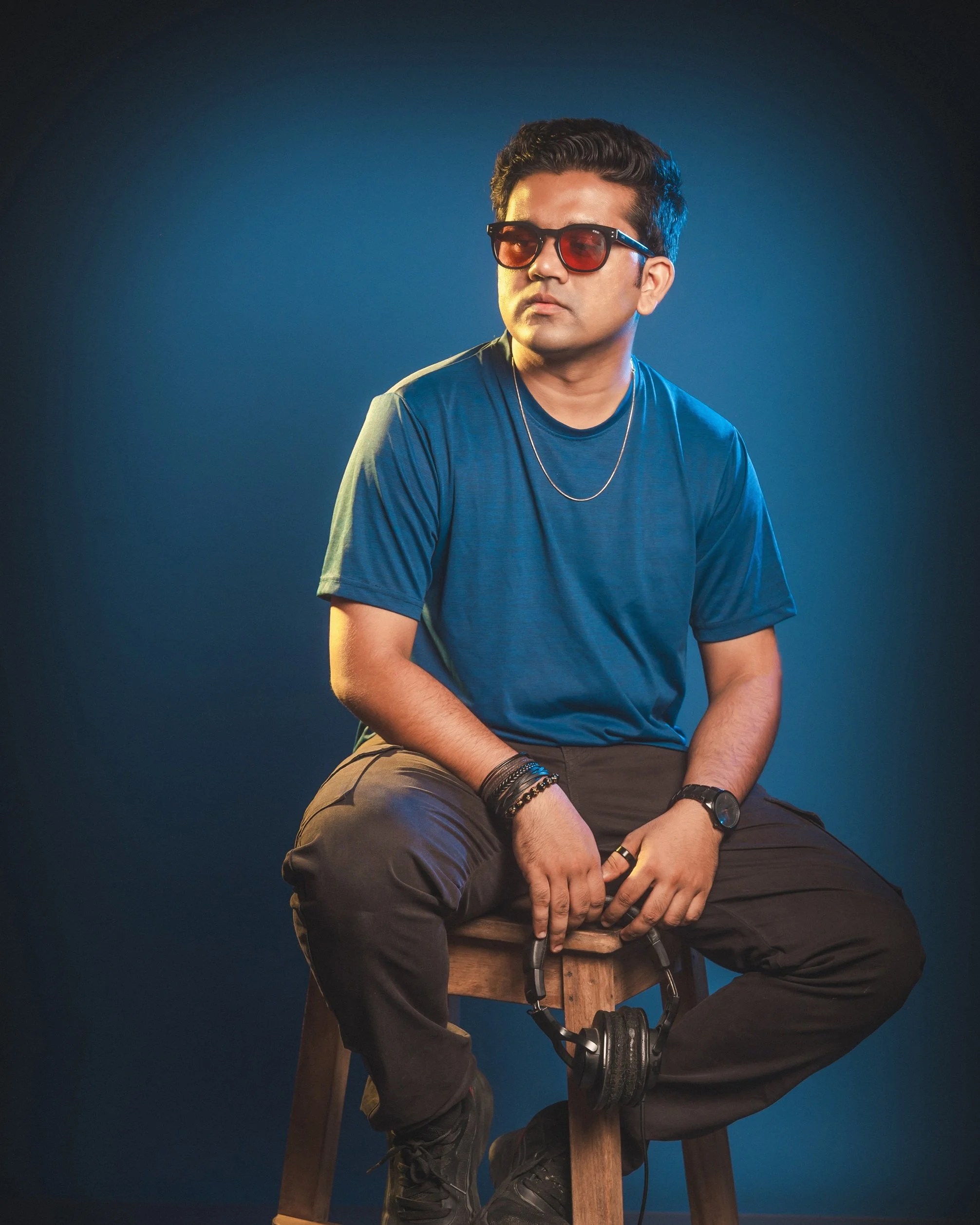
What first inspired you to start making electronic music, and who were your biggest influences early on?: My journey into music started with the guitar when I was around 13. I grew up listening to rock and metal, playing in bands, and eventually exploring songwriting and cinematic music production. Electronic music came into the picture when I discovered artists like Avicii and Kygo, who showed me how electronic music could be both emotionally powerful and accessible.
As I explored the genre further, artists like Eric Prydz, Jerro, Sultan + Shepard, and Ben Böhmer really shaped my taste and approach to production. I was drawn to the way they built entire atmospheres around melodies and created music that could make you feel something just as much as it could make you move. That balance between emotion and energy is something I still try to capture in my own music.
How would you describe your sound to someone who has never heard your music before?: I'd describe my sound as melodic and atmospheric, with a strong focus on emotion, groove, and storytelling. I love blending warm synth textures, evolving arpeggios, and deep rhythms to create something that feels immersive but still works on a dance floor.
Coming from a guitar background, I think I naturally approach music with a songwriter's mindset. I'm always looking for a melody or a musical idea that connects emotionally, rather than just building a track around a drop. Whether it's a progressive house record or something more melodic and cinematic, I want the listener to feel like they've gone somewhere by the time the track ends.
Walk us through your creative process. Do tracks usually start with a melody, a beat, a vocal, or something else entirely?: There's no fixed formula for me. Sometimes it starts with a melody on the guitar or a piano, sometimes with a synth sound that sparks an idea, and other times it's a groove or a chord progression that sets the mood.
I usually begin by exploring the emotional direction of a track before worrying too much about its structure. Once I find something that resonates with me, I start building the atmosphere around it, experimenting with textures, rhythms, and layers until the idea starts taking shape.
My background in songwriting also makes me pay a lot of attention to arrangement and progression. I enjoy creating little moments of tension, release, and surprise so that the track continues to evolve. Even when I'm working on club-oriented music, I want it to have a story rather than feel like a collection of loops.
What's the most challenging part of producing music in today's electronic music scene?: I think one of the biggest challenges is finding your own identity in a scene where there's so much incredible music being released every day. There's always something new to discover, new production techniques to learn, and new trends to keep up with. It can be easy to get caught up in what everyone else is doing.
For me, the challenge is balancing that desire to keep improving with the need to stay honest about the music I want to make. I also have a full-time career outside music, so finding the time and mental space to create consistently can be challenging.
I've learned that it's important to be patient with the process. Not every track needs to follow a trend or be made for a particular moment. Sometimes the records that mean the most to you take the longest to find their place in the world.
Can you tell us about a track you're especially proud of and the story behind its creation?: One of my recent releases that means a lot to me is Ashfall, released on Colorize in collaboration with Temazkal, NUVORA, and Jessie Lee Thetford.
Getting to be part of a release on Colorize was special because the label has always been closely connected to the kind of melodic and emotionally driven electronic music I admire. What I love about Ashfall is how the different creative perspectives come together to build its atmosphere and energy.
Playing the track in my DJ sets has also been a rewarding experience. Hearing something you've spent so much time creating translate into a club environment gives you a completely different connection with the music. For me, that's one of the best parts of being both a producer and a DJ: seeing a track evolve from an idea in the studio into something you can share with people on a dance floor.
What artists—inside or outside electronic music—are inspiring you right now?: Within electronic music, I'm always drawn to artists like Eric Prydz, Jerro, Sultan + Shepard, and Ben Böhmer for their ability to create distinctive atmospheres and tell stories through sound. I also admire Nora En Pure's approach to melody and the way she creates such a recognizable sonic identity.
Outside electronic music, my early influences in rock and metal still play a big role in how I think about songwriting. Growing up with guitar-based music taught me to value strong melodies, dynamics, and arrangements that build towards something meaningful.
I think inspiration becomes more interesting when you don't limit yourself to one genre. Sometimes a guitar tone, a film score, or even a small musical detail from an entirely different style can spark an idea that eventually becomes an electronic record.
What's next for you? Any upcoming releases, collaborations, tours, or projects fans should know about?: I'm focused on expanding my presence across more cities in India and taking TRE to international stages. I have plenty of new music and collaborations in the works with artists and producers from across the globe. The goal is to keep pushing my sound forward, connect with new audiences, and build a stronger presence both in the studio and on the dance floor. Ultimately, I want to take the music I'm creating from India to a global audience and build something that resonates with people beyond borders.
