
Interview with Artemios Trigo And His New Release Calabria
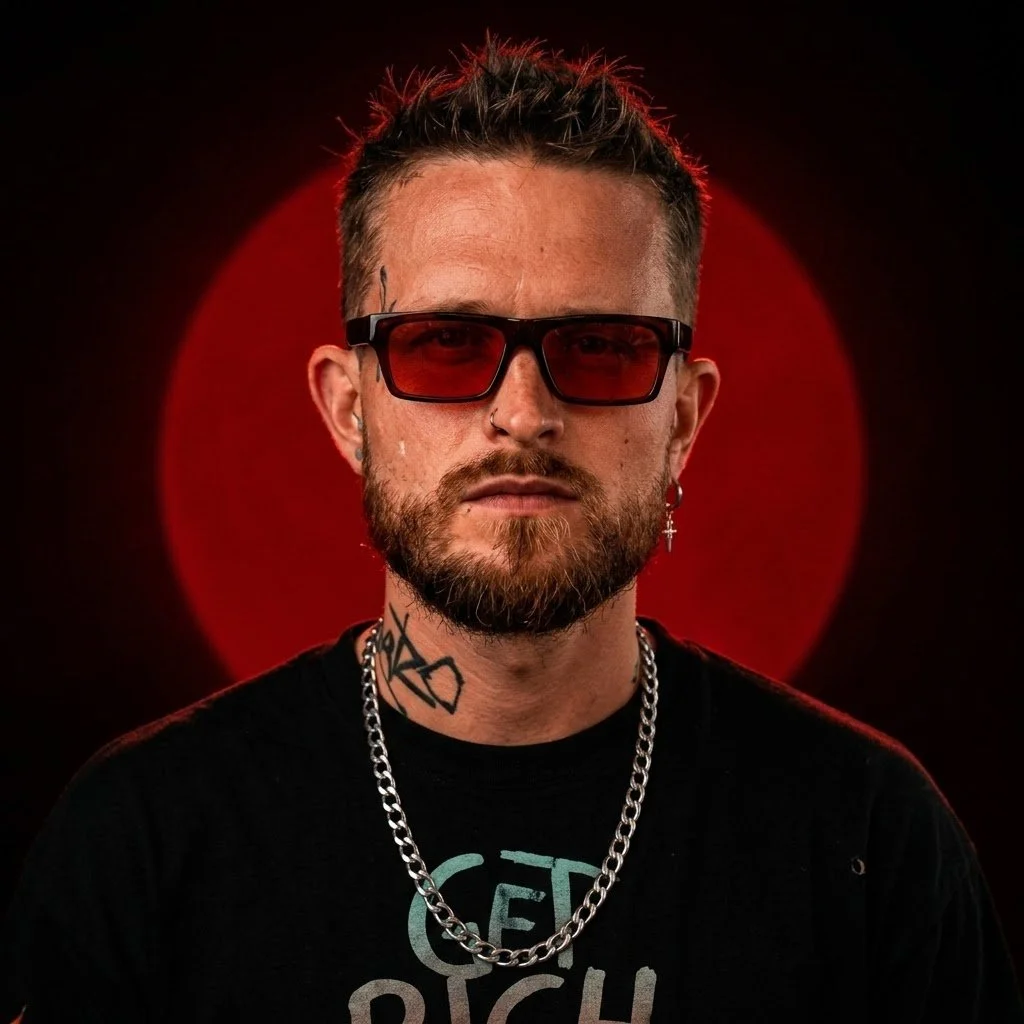
What first inspired you to start making electronic music, and who were your biggest influences early on?:
I think it started with the feeling I got from being on the dancefloor and behind the decks. I was always fascinated by how electronic music could create a connection between completely different people without needing words.
At first, I was inspired by the energy of house and techno, and by the freedom DJs had to build their own atmosphere through music. Later, I became more interested in the deeper and more emotional side of electronic music — Indie Dance, Melodic House, Dark Disco and the more organic sounds.
My early influences came from a mix of artists and scenes rather than just one particular sound. I was inspired by the energy of the club culture, the freedom of electronic music and the idea that you can take different genres and turn them into something personal.
That’s probably still the main thing that inspires me today: movement, atmosphere and the ability to tell a story through a track.
How would you describe your sound to someone who has never heard your music before?:
I would describe my sound as electronic music built around movement, atmosphere and emotion.
It sits somewhere between Indie Dance, Melodic House, Tech House and darker, more organic electronic sounds. I like combining hypnotic grooves with strong melodies, unexpected elements and vocals that add character to the track.
I don’t really want to be limited by one genre. For me, the most important thing is the feeling a track creates — whether it makes you move, lose yourself in the moment, or feel like you’ve entered another world.
If you’ve never heard my music before, I’d say: expect something danceable, emotional and a little unpredictable.
Walk us through your creative process. Do tracks usually start with a melody, a beat, a vocal, or something else entirely?:
It can start in completely different ways. Sometimes it’s a groove or a bassline that immediately gives me a direction, sometimes it’s a vocal, a melody, or even just a sound that creates a certain atmosphere.
I usually start with an idea rather than a full plan. Once I find that first element that gives me a feeling, I build around it — drums, bass, melodies, vocals and textures gradually come together.
I spend a lot of time experimenting and removing things rather than just adding more. I want the track to have space and a clear identity, while still keeping enough energy for the dancefloor.
The final stage is usually about finding the right balance between what works technically and what feels emotionally right. If I can listen to the track and forget for a moment that I made it, I know it’s getting close.
What's the most challenging part of producing music in today's electronic music scene?:
I think the biggest challenge today is standing out without losing yourself.
There is so much incredible electronic music being released every day, and technology has made it easier than ever to produce, release and promote music. That’s exciting, but it also means there’s a huge amount of noise.
For me, the challenge is not trying to follow every trend, but developing a sound that feels genuinely mine. I’d rather make something that might not fit perfectly into one playlist or genre, but has its own character and emotion.
At the same time, I think the modern electronic scene gives artists more freedom than ever. You can create your own community, collaborate across borders and reach people without waiting for someone to give you permission. So the challenge is also an opportunity.
Can you tell us about a track you're especially proud of and the story behind its creation?:
One track I’m especially proud of is “Calabria.”
The track started with the idea of taking something familiar and turning it into something that feels completely different. I was inspired by the atmosphere and energy of the original Calabria era, but I didn’t want to simply recreate that sound. I wanted to translate that feeling into my own world — darker, more modern and more focused on the dancefloor.
While producing it, I kept coming back to the idea of movement: the kind of track that immediately creates a visual in your head and makes you want to move. That idea eventually became bigger than just the music, and I started developing a visual concept around the track as well, inspired by the aesthetics of the mid-2000s.
I’m proud of “Calabria” because it represents what I’m trying to do as an artist — take references from different places and eras, mix them with my own sound, and create something that feels nostalgic but still completely new.
What artists—inside or outside electronic music—are inspiring you right now?:
Right now, I’m mostly inspired by artists and DJs who have a strong connection with the underground electronic scene.
I’m particularly drawn to the Indie Dance, Dark Disco and Melodic side of electronic music, but I also take a lot of inspiration from Tech House, Minimal, Techno and Organic sounds. Artists like WhoMadeWho, Mind Against and Adriatique are references for me, especially in the way they create atmosphere while keeping the music functional for the dancefloor.
I’m also inspired by the DJs and producers around labels and scenes rather than following just individual artists. Discovering exclusive tracks, new sounds and watching how a record works in a real club is a huge part of my inspiration.
And honestly, sometimes the biggest inspiration comes from completely unexpected places — an old record, a vocal, a groove or a particular atmosphere. I like taking those elements and putting them into a different context.
For me, inspiration is less about trying to sound like someone else and more about constantly discovering new sounds and finding my own way of connecting them.
What's next for you? Any upcoming releases, collaborations, tours, or projects fans should know about?:
What’s next for me is a new chapter. Before I fully introduce my original material to the world, I’m planning to work on a series of covers and reinterpretations of tracks that have influenced me.
I want to use these releases as a way to explore different sounds, production approaches and ideas, while putting my own identity into something people already have a connection with.
After that, I’m planning to start revealing more of my original work. I have quite a lot of ideas and unreleased material that I’ve been developing, so this is really just the beginning.
There are also collaborations and new projects in development, but I’d rather let the music speak first and reveal them at the right moment.
