
Musicians Are Calling Out AI Training Practices After AI Watchdog Reveals Millions of Songs in Datasets
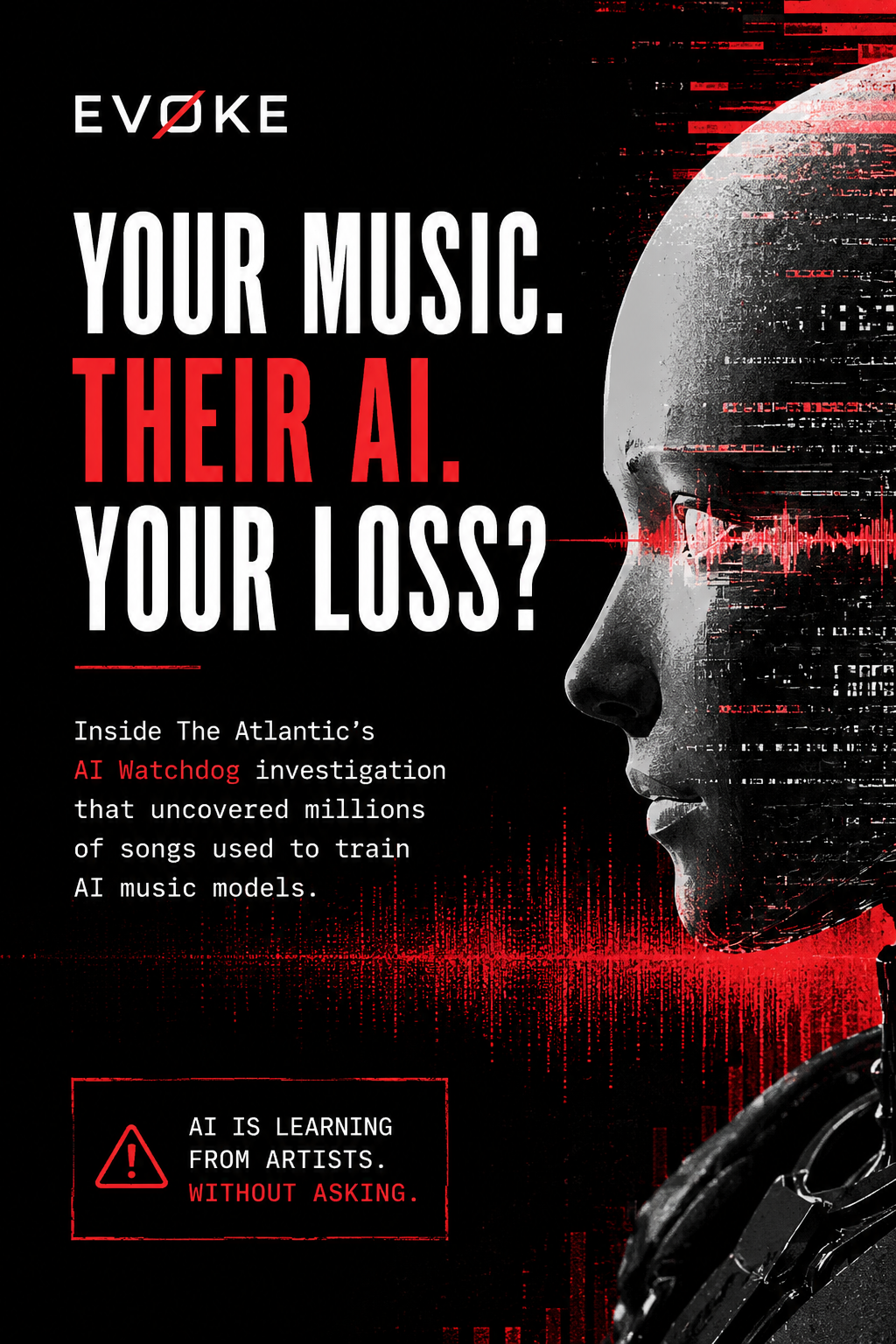
The conversation around AI and music isn't cooling off. If anything its getting louder.
A growing number of artists are speaking out after finding out their music may have been included in datasets used to train AI models. For many it's not a technical issue. It feels personal.
Back in September 2025 The Atlantic started looking into how AI works. They asked a question thats been on everyones mind for years: Where is all this training data coming from?
As part of that effort journalist Alex Reisner created AI Watchdog. This project helps artists see if their work is being used by AI companies.
The latest update focuses on music. AI Watchdog also launched a tool that lets musicians look through millions of tracks. These tracks are from four datasets connected to AI music technologies from companies like Google and Stability AI.
The researchers behind AI Watchdog are careful to point out that being in a dataset doesn't mean a song was used to train an AI model. Some datasets have copies of the same recordings.
Still finding your music in those collections can be a shock.
The database includes music from names like Skrillex, Peggy Gou and BICEP. They have dozens of tracks listed.. It's not just famous artists who are finding their work in the datasets.
Independent producers are also searching the database. Many are sharing their findings on Reddit. For artists who spend years building a catalog the discovery has sparked confusion, frustration and anger.
Most datasets are built from music released under Creative Commons licenses. These licenses require artists to get credit and often restrict commercial use. This has opened up a debate over whether using those recordings to train AI systems is okay.
That's where tensions are rising.
Producer Kenneth Blume, formerly known as Kenny Beats didn't hold back. He accused AI music platform Suno of profiting from musicians who are already struggling.
He described the practice as taking from struggling artists while building technology that could replace them. He questioned how anyone could feel comfortable making a living that way.
His comments resonated with musicians who share similar concerns.
SZA also reacted after using AI Watchdogs search tool. She found that 238 of her tracks appeared in the datasets. Some of these recordings may be unreleased material.
In a message to fans she condemned support for AI systems trained on artists work without consent. She believes the practice crosses a line.
The debate surrounding AI-generated music is becoming less about technology and more about trust.
AI developers argue that massive datasets are essential for building models. They often rely on available material. Artists see years of creativity and personal work being absorbed into systems they never agreed to support.
Somewhere between those two viewpoints sits an industry trying to define what consent, transparency and fair compensation should look like.
One thing is becoming obvious.
Thanks to investigations, like The Atlantics AI Watchdog project musicians now have an idea of how AI may be learning from their work.. As more artists search the database don't expect this conversation to fade anytime soon.
