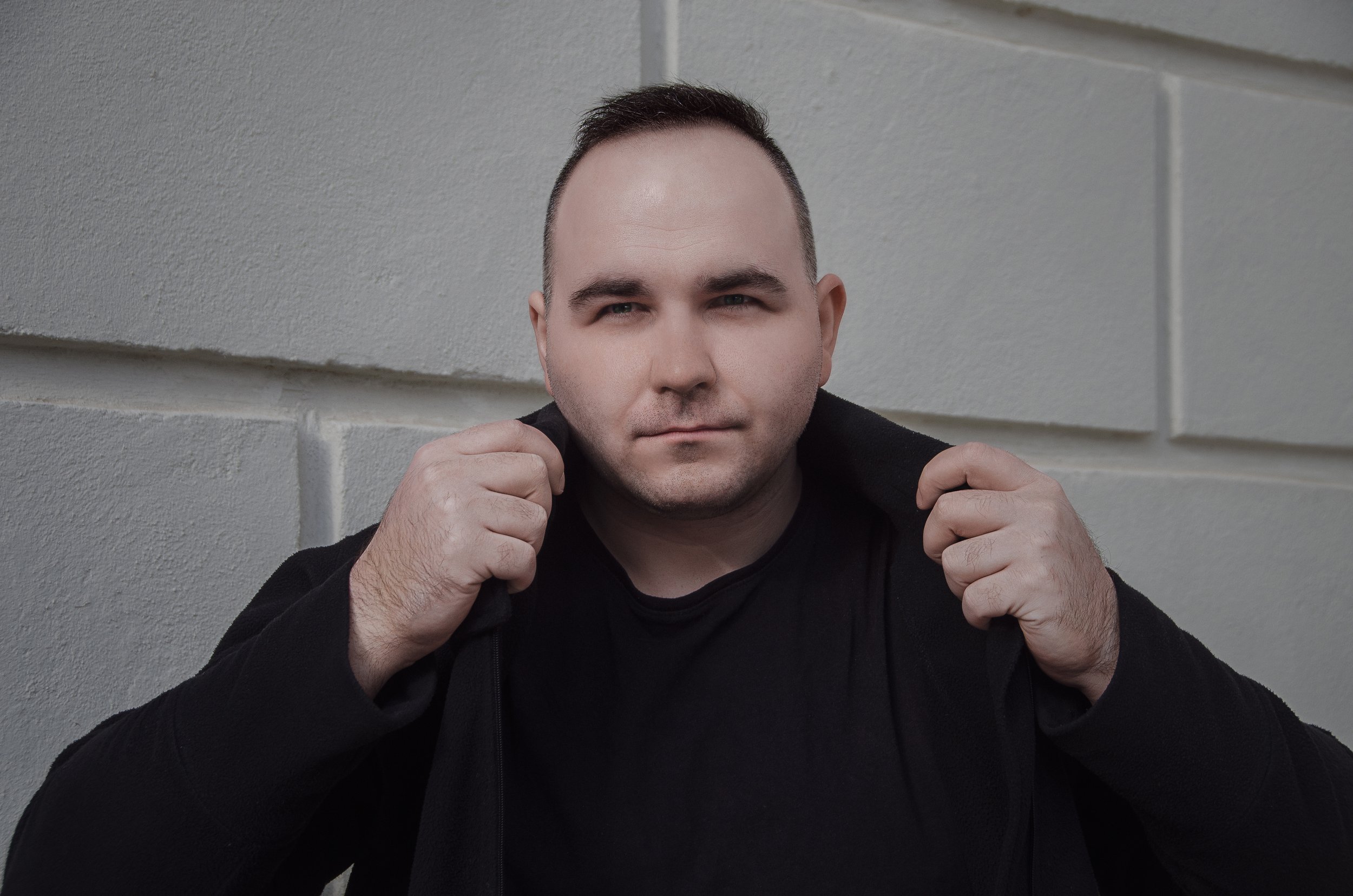
Meet Trance Music Producer ReDub
What first inspired you to start making electronic music, and who were your biggest influences early on?:
My journey into music began at a very early age, around six, when my mother gave me a Walkman cassette player along with a collection of cassette tapes from Germany. That simple gift opened the door to a world that would go on to shape my life in profound ways. I was immediately captivated by the sounds of early trance and eurodance, and soon found myself deeply immersed in the German electronic music scene.
Artists such as ATB, Cosmic Gate, Paul van Dyk, Sash!, Scooter, and, of course, Markus Schulz became significant influences during my formative years, inspiring my fascination with electronic music and the emotions, atmospheres, and energy it could convey.
In 2002, at just 12 years old, I began producing trance music myself. What started as a childhood passion gradually developed into a deeper pursuit of musical expression and creativity. A few years later, I began studying classical piano, an experience that broadened my musical perspective and strengthened my understanding of harmony, melody, composition, and musical structure.
Looking back, these early experiences laid the foundation for my artistic identity, shaping not only my musical taste but also the way I approach music as a form of expression. From the first melodies I discovered on a cassette tape to my own early productions, music has remained a constant source of inspiration and an essential part of who I am.
How would you describe your sound to someone who has never heard your music before?:
I have always been drawn to exploring new sounds, experimenting with different elements, and discovering melodies that evoke emotion and create atmosphere. Because of this constant desire to evolve and explore, my music is difficult to confine to a single genre. At its core, it is electronic dance music shaped by a diverse range of influences, ideas, and inspirations, allowing me the freedom to move beyond conventional boundaries and develop a sound that feels authentic to me.
For me, music is not simply about rhythm or energy; it is about emotion, connection, and storytelling. I believe in giving each melody the space to breathe, allowing the arrangement to unfold naturally and the music to draw the listener into its own world. Every sound has a purpose, and every element contributes to the overall atmosphere and feeling of a track.
Melody and vocals are at the heart of my music. They guide the creative process, shape the identity of each production, and ultimately tell the story I want to share. Whether through an evocative melodic progression, an expressive vocal, or the subtle interplay between different sounds, my goal is to create music that resonates on an emotional level and leaves a lasting impression long after the final note fades away.
Walk us through your creative process. Do tracks usually start with a melody, a beat, a vocal, or something else entirely?:
My approach to music production is rooted in a traditional, hands-on creative process. I often begin by sitting at the piano, experimenting with different melodies and chord progressions until I discover something that genuinely resonates with me. I have always believed that if a melody can stand on its own with nothing more than a simple piano, it has the potential to become something truly special as an electronic dance music production.
Once I find a compelling melody or a distinctive chord progression that captures the right emotion, I begin building the world around it. This usually involves developing the atmosphere through pads, drones, textures, and, when the right opportunity arises, vocals. I enjoy taking the time to shape these elements carefully, allowing the track to evolve organically while preserving the essence of the original musical idea.
I generally prefer to begin with instrumentals and introduce vocals at a later stage, collaborating with a singer to bring the composition to life. For me, this is one of the most rewarding aspects of the creative process. I love witnessing how a vocalist interprets an instrumental, adds their own personality, and introduces a completely new emotional dimension through their voice. Every singer brings a unique perspective, and that interaction between the original composition and the vocal performance can transform a track into something far more meaningful than either could have been on its own.
What's the most challenging part of producing music in today's electronic music scene?:
I believe one of the biggest challenges for electronic music artists today is standing out while remaining authentic. With so much incredible music being released every day, it is increasingly difficult to create something distinctive and capture the listener’s attention.
Social media and the pressure to follow trends add another layer of complexity. While these platforms offer valuable opportunities, constantly chasing visibility and relevance can lead to creative fatigue and, eventually, losing touch with your artistic identity.
Technology has made producing and releasing music easier than ever, but it has also created an expectation to work faster and release more frequently. This can sometimes come at the expense of originality and quality.
For me, the real challenge is finding the balance between adapting to a constantly evolving industry and staying true to your own vision. Music should never be about simply keeping up with trends, but about creating something genuine, meaningful, and lasting.
Can you tell us about a track you're especially proud of and the story behind its creation?:
There are several tracks in my recently released debut album that hold a particularly special place in my heart, especially “Before I Go,” “When We Have to Say Goodbye,” and “Landslide.” Each carries its own story, emotion, and personal meaning.
“Before I Go” was written in 2024, following the heartbreaking loss of my puppy. I wanted to preserve his memory in a way that would allow him to live on through my music, so I incorporated his voice into the track. For me, it is more than a song; it is a way of keeping him close and giving him a permanent place in my musical world.
“When We Have to Say Goodbye” came from another deeply personal experience. I wrote it in 2025, following the loss of my mother. I wanted to create something unique, an honest musical farewell that could express emotions words often struggle to capture. It began with a melody I played on the piano, which gradually evolved into a dark ambient production, reflecting the depth and complexity of that experience.
Finally, “Landslide” is a collaboration with Roberta Harrison, and it holds a different but equally meaningful place in my heart. Her work on songs with ATB had a significant influence on me during my formative years as an artist. Having the opportunity to collaborate with her was therefore a very personal and meaningful experience, bringing a connection between the music that inspired me growing up and the music I create today.
What artists—inside or outside electronic music—are inspiring you right now?:
There are so many talented artists in electronic music today who have inspired me in different ways that choosing just one or two is almost impossible. Every artist brings something unique to the scene, whether through their sound, their creative vision, or their dedication to the craft.
One artist who has always been a significant source of inspiration to me is Christian Hirt, the creative mind behind Passenger 10 and other productions. I deeply admire his dedication, attention to detail, production quality, and the distinctive sonic identity he has developed over the years. Whenever I listen to his music, I find myself discovering something new, and his work continues to motivate me creatively.
Myon is another artist I greatly admire, particularly for his ability to create beautiful, emotionally captivating melodies. His approach to composition and his exceptional production quality make him a true master of his craft, and his music is a constant reminder of the power of melody in electronic music.
Of course, many of the artists who shaped my musical identity during my early years continue to inspire me today. ATB, Ferry Corsten, and Chicane are particularly important to me because of their ability to create entire worlds through music. Their productions go beyond sound and rhythm, transporting the listener into a distinct atmosphere and evoking emotions that stay with you long after the music ends.
I would also be remiss not to mention Markus Schulz, who has been not only a major musical influence but also a mentor to me. His ability to continually evolve, explore new ideas, and deliver inspiring productions is something I deeply respect. I have always enjoyed our conversations, and exchanging thoughts with him about music and creativity often sparks new ideas of my own. His guidance and artistic vision have played a meaningful role in my journey, and I remain grateful for the inspiration he continues to provide.
What's next for you? Any upcoming releases, collaborations, tours, or projects fans should know about?:
Looking ahead, I want to continue exploring new sounds, experimenting with different genres, and pushing my musical boundaries, both as William Schneider and ReDub. My goal is to create music that tells stories, brings happiness, and connects with listeners on an emotional level.
I am also excited about future collaborations with both established and emerging artists, as well as the possibility of live performances and tours. Ultimately, I want to keep evolving creatively while bringing my music closer to the people who connect with it.
Follow him on Instagram @redubmusic
